
Getting a job abroad is a dream for many Nigerians, and Canada remains one of the top destinations for work opportunities, better income, and improved quality of life. If you’ve been searching for how to get a job in Canada from Nigeria, this guide will show you the exact process, proven strategies, and real examples to help you succeed.
From my experience running Educatefresh and interacting with Nigerians who are interested in working abroad, I’ve noticed that many people give up too early because they don’t understand how the system works. Some apply for a few jobs and stop. Others depend only on agents without building the right skills or documents. The truth is, getting a job in Canada is very possible, but it requires strategy, patience, and consistency.
I have seen people with average qualifications successfully relocate because they followed the right steps—improving their CV, applying consistently, learning new skills, and choosing the correct immigration pathway. I’ve also seen highly qualified people fail simply because they did not present themselves properly or didn’t understand the process.
Once you understand how the Canadian job market works and position yourself correctly, your chances increase significantly.
In this guide, you’ll learn:
The best ways for Nigerians get jobs in Canada
The step-by-step process to apply
The right CV format for Canada
Visa options available
Common mistakes to avoid
Real examples of Nigerians working in Canada
Why Canada is a Top Destination for Nigerians
Canada continues to be one of the most attractive countries for Nigerians seeking better job opportunities and a higher quality of life.
Here are reasons why Canada stands out:
High Demand for Skilled Workers
Canada is facing labour shortages in many industries such as healthcare, IT, construction, and transportation. Because of this, the government actively invites foreign workers to fill these gaps.
This means Nigerians with the right skills are in high demand.
Pathway to Permanent Residence (PR)
Unlike many countries, Canada offers clear pathways to permanent residence through programs like:
Express Entry
Provincial Nominee Program (PNP)
Canadian Experience Class
This means you can start with a job and later become a permanent resident.
Good Salary and Standard of Living
Canadian jobs offer:
- Competitive salaries
- Health benefits
- Worker protection laws
Even entry-level jobs often pay enough to support a comfortable lifestyle.
Safe and Peaceful Environment
Canada is ranked as one of the safest countries in the world, with:
- Low crime rate
- Stable government
- Respect for human rights
This makes it ideal for individuals and families.
Multicultural Society
Canada welcomes people from all over the world.
As a Nigerian, you will find:
- African communities
- Nigerian churches and groups
- Cultural support networks
This makes it easier to settle and adapt.
Opportunity for Family Relocation
Many immigration programs allow you to move with:
- Your spouse
- Your children
Your spouse may also get a work permit, which increases your family’s income.
CHECK THIS OUT: Canada Work Visa Application Step by Step (Process Explained)
Main Pathways to Get a Job in Canada from Nigeria
If you want to successfully move to Canada for work, you must understand that there is no single path. Canada provides multiple legal pathways depending on your qualifications, experience, and goals.
Here are the four major pathways Nigerians use to get jobs in Canada, explained in detail.
Express Entry (For Skilled Workers)
This is the most popular and fastest route for skilled Nigerians.
What is Express Entry?
Express Entry is an immigration system used by the Canadian government to select skilled workers for permanent residence (PR).
It covers three programs:
Federal Skilled Worker Program (FSWP)
Federal Skilled Trades Program (FSTP)
Canadian Experience Class (CEC)
Requirements for Express Entry
To qualify, you typically need:
- A university degree or diploma
- Skilled work experience
- English test result (IELTS or CELPIP)
- Proof of funds
- Age under 45 (preferred)
How It Works
You are scored using a system called CRS (Comprehensive Ranking System) based on:
Age
Education
Work experience
English ability
The higher your score, the higher your chances of getting an Invitation to Apply (ITA).
Why Express Entry is Powerful
- You can get permanent residence directly
- You can work for any employer in Canada
- You can move with your family
A Nigerian accountant with 5 years of experience, a good IELTS score, and a bachelor’s degree can apply through Express Entry and receive PR within 6–12 months.
Job Offer with LMIA (Employer Sponsorship)
This pathway involves getting a direct job offer from a Canadian employer.
What is LMIA?
LMIA means Labour Market Impact Assessment.
It is a document that proves that:
- The employer tried to hire a Canadian but couldn’t find one
- So they are allowed to hire a foreign worker
How This Pathway Works
You apply for jobs in Canada
An employer offers you a job
The employer applies for an LMIA
You apply for a work permit visa
You travel to Canada and start working
Benefits of the LMIA Pathway
- You get a confirmed job before traveling
- You start earning immediately
- You may later apply for PR
A Nigerian truck driver applies online, gets hired by a Canadian logistics company, receives LMIA approval, and relocates to Canada with a work permit.
Study Route (Study → Work → Permanent Residence)
This is one of the most successful and safest pathways for many Nigerians.
How It Works
- Apply to a Canadian school
- Get a study visa
- Study in Canada
- Get a Post-Graduation Work Permit (PGWP)
- Get a job
- Apply for Permanent Residence
Benefits of the Study Route
- Easier to enter Canada
- Canadian education increases job chances
- You can work while studying
- You get a Canadian work permit after graduation
A Nigerian student studies a 2-year diploma in Business Management in Canada, gets a 3-year work permit, secures a job, and applies for PR through Canadian Experience Class.
Provincial Nominee Program (PNP)
Each province in Canada has its own immigration program. These programs are designed to attract workers to specific provinces.
Examples of Provinces
Ontario
Alberta
British Columbia
Saskatchewan
Manitoba
How PNP Works
You apply to a province
The province nominates you
You apply for PR
Benefits
- Lower CRS score required
- Higher chance of selection
- Faster invitation in some cases
Real Example
A Nigerian nurse applies through the Saskatchewan PNP and receives a nomination because nurses are in high demand in that province.
Remote Jobs with Canadian Companies
This is a less popular but growing option. You can work for a Canadian company while living in Nigeria, especially in tech and digital jobs.
Jobs That Work for Remote Option
Software development
Graphic design
Digital marketing
Virtual assistance
Customer support
Benefits
- Earn in foreign currency
- Gain international work experience
- Later transition to relocation opportunity
How to Choose the Best Pathway for You
Use this simple guide:
| Your Situation | Best Pathway |
|---|---|
| You have a strong degree + experience | Express Entry |
| You want a direct job before traveling | LMIA |
| You want an easier entry route | Study route |
| Your CRS score is low | PNP |
| You work in tech/online | Remote jobs |
Step-by-Step Guide: How to Get a Job in Canada from Nigeria
Step 1: Choose the Right Job Field
Canada needs workers in areas like:
Healthcare
IT and tech
Engineering
Skilled trades (electricians, welders)
Logistics and transport
Agriculture
Choose a field that matches your education or experience.
Step 2: Prepare a Canadian-Standard CV
Canadian CVs are different from Nigerian CVs. Below are key tips you should note;
- No photo
- 1–2 pages maximum
- Focus on skills and achievements
- Use bullet points

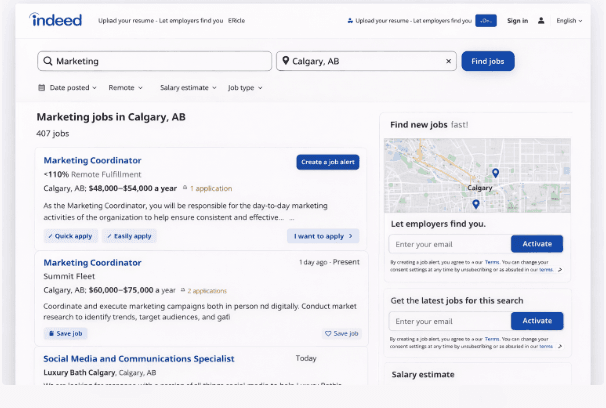
Step 3: Create Profiles on Job Websites
Use these platforms:
Indeed Canada
Job Bank Canada
LinkedIn Jobs
Glassdoor
Step 4: Apply for Jobs Consistently
Do not apply to just one job. Apply to 5–10 jobs daily and make sure you customize your CV and cover letter for each job.
Step 5: Apply for a Work Visa or PR Program
To work in Canada, you need legal authorization. Main options are as follows;
- Express Entry
- Provincial Nominee Program (PNP)
- Employer-sponsored work permit
Step 6: Prepare for Interviews
Employers may interview you via:
Zoom
Google Meet
Phone calls
Practice common questions like:
Tell me about yourself
Why should we hire you?
What experience do you have?
Step 7: Secure Job Offer and Travel
Once you get a job offer and visa approval, you can now book a flight, arrange accommodation, and relocate to Canada.
Real Examples of Nigerians Working in Canada
IT Professional
Chinedu, a software developer from Lagos, applied through LinkedIn, secured a job offer, and moved through Express Entry.
Caregiver
Ngozi, a nurse assistant, applied through a caregiver program and moved with employer sponsorship.
Student Route
Emeka studied in Canada, got a post-study work permit, and secured a job.
Personal Experience & Insight
From my experience building Educatefresh and interacting with people who want to work abroad, I’ve seen that consistency is the biggest factor. Many people apply to only a few jobs and stop.
But those who succeed do the following;
- Apply daily
- Improve their CV
- Learn new skills
- Stay consistent
Your first application may not work—but your 50th might.
Common Mistakes to Avoid
Avoiding mistakes is just as important as taking the right steps. Here are detailed mistakes you must avoid:
Applying with a Nigerian-Style CV
Many Nigerians use CV formats that don’t match Canadian standards. Mistakes include:
- Including photo
- Adding age, marital status, and religion
- Writing long paragraphs
Always use a Canadian-style resume.
Applying Without Relevant Experience
Some people apply for jobs they have no experience in. Employers prefer candidates who:
- Have related experience
- Have practical skills
- Can start work quickly
Not Customizing Job Applications
Sending the same CV to every job reduces your chances. Each job application should be tailored to match the job description.
Ignoring Required Certifications
Some jobs in Canada require certifications like:
Safety training
Professional licensing
Technical certificates
If you ignore these, your application may be rejected.
Falling for Fake Job Agents
Many scammers promise “guaranteed Canada jobs.” Note the warning signs:
- Asking for large upfront fees
- No official company email
- Fake offer letters
Always verify employers before paying anyone.
- Not
Preparing for Interviews
Some applicants get interviews but fail because they:
- Don’t prepare answers
- Don’t research the company
- Don’t understand the role
Preparation is key.
Giving Up Too Early
One of the biggest mistakes is: Stopping too soon. Just bear in mind that getting a job abroad can take months of consistent effort.
Tips to Increase Your Chances
If you want to succeed, you must go beyond basic applications. Here are proven strategies that increase your success rate:
Improve Your English Communication
Good English skills help in:
- Job interviews
- Workplace communication
- Integration into Canadian society
Practice speaking, listening, and writing.
Get International Certifications
Certifications make your CV stronger.
Examples:
Google certificates (IT, digital marketing)
Project Management (PMP)
Health & safety certifications
Build Relevant Work Experience
Even local Nigerian experience counts. Try to gain the following;
- Internship experience
- Volunteer work
- Freelance projects
Use LinkedIn Professionally
LinkedIn is powerful for job search. Make sure your profile has a professional photo, has a clear headline, and lists your skills and experience.
Also, connect with recruiters and Canadian professionals
Apply Consistently
Do not apply once and wait. Successful applicants apply every day, track applications, and follow up when needed
Network With People in Canada
Networking helps you get referrals. You can connect with Nigerians already in Canada, Alumni from your school, and Industry professionals
Learn In-Demand Skills
Focus on skills that are needed in Canada, such as;
IT and tech
Healthcare
Skilled trades
Logistics and supply chain
Prepare for Interviews in Advance
Practice:
- Common interview questions
- Salary expectations
- How to explain your experience
Frequently Asked Questions (FAQs) on how to get a job in Canada from Nigeria
1. Can I really get a job in Canada from Nigeria in 2026?
Yes. Canada continues to welcome foreign workers every year due to labour shortages. With the right skills, CV, and strategy, it is possible.
2. What is the fastest way to get a job in Canada from Nigeria?
The fastest ways are:
- Express Entry (skilled workers)
- Study route → Work permit
- Employer sponsorship (LMIA)
3. Do I need a degree to work in Canada?
Not always. You can work in Canada with:
- A degree (for professional jobs)
- A diploma or certificate
- Skilled trade experience
4. How much money do I need to relocate?
The amount varies, but you may need funds for:
Visa application
Travel costs
Initial settlement
Usually between ₦3 million – ₦10 million+ equivalent, depending on your route.
5. Can I get a job in Canada without IELTS?
For some job offers, yes. But for immigration programs like Express Entry, IELTS, or another English test is usually required.
6. Are there jobs in Canada for unskilled workers?
Yes, there are jobs in:
Farming
Cleaning
Warehousing
Hospitality
But skilled jobs offer better opportunities and pay.
7. How long does the process take?
It can take 3 to 12 months, depending on:
Your qualifications
The job market
Your visa pathway
8. Can I move to Canada with my family?
Yes. Many visa programs allow spouses and children. Your spouse may also get a work permit.
9. How do I know if a job offer is real?
To verify:
- Check the company website
- Confirm official email address
- Avoid paying large upfront fees
10. Is Canada still accepting immigrants in 2026?
Yes. Canada plans to continue admitting hundreds of thousands of immigrants yearly to support its economy.
Conclusion
Getting a job abroad may seem difficult, but once you understand how to get a job in Canada from Nigeria, it becomes achievable. Thousands of Nigerians are already working in Canada today—and you can be next.
Prepare your CV, apply consistently, improve your skills, and follow the right immigration pathway. Your opportunity is waiting.
I believe this article was helpful. Feel free to like, share, and comment using the box below.